
HOW DRY NEEDLING HELPS TO RELIEVE PAIN
What is dry needling?
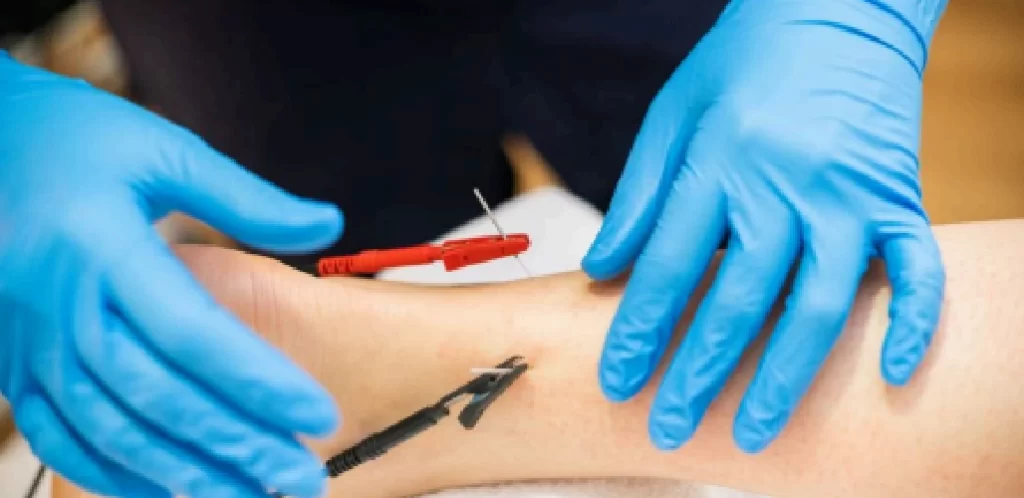
Dry needling is the use of very thin monofilament needles that are inserted into trigger points within the targeted muscles. Dry needling is a commonly used treatment technique for musculoskeletal and neuromuscular pain. Dry needling allows clinicians to reach areas that may not be accessible with other methods of treatment that are performed on top of the skin such as a soft tissue massage.
Electrical stimulation:
At Impact Physical Therapy, dry needling is commonly used in conjunction with electrical stimulation. Connecting the electrical stimulation directly onto the inserted needles allows the therapist to provide an intramuscular electrical stimulation to assist with pain relief.
Trigger points:
The trigger points are areas within muscle tissue that hold tension and increase sensitivity. The trigger points are targeted during dry needling because they can cause pain locally and to surrounding areas. Since the needles are very thin there is typically only mild discomfort felt by the patient during the treatment as they are inserted.
Potential benefits of dry needling:
- Increased blood flow to the area being treated
- Reduced pain
- Decreased muscle tightness
- Improved mobility
Common diagnoses for which patients receive dry needling:
- shoulder impingement/pain
- Back pain/spasms
- Tendinitis
- Plantar fasciitis
- Headaches
- Knee pain/arthritis
What to expect during a dry needling session at Impact Physical Therapy:
- The needles used are thin monofilament needles that come individually packaged and sterilized. They are used only once and disposed of.
- It is generally recommended that patients’ muscles are well hydrated for this treatment, so having eaten and consumed water within the hours leading up to treatment is advisable
- Needles are placed within trigger points or adjacent to tissue where nerves pass through. If electrical stimulation is also being implemented the wire leads are then attached directly onto the inserted needles.
- At the discretion of the clinician, based on the location being treated and the patient’s comfort levels during treatment, the needles may be left in for as little as a few seconds up or up to 15 minutes.
- As the needles are slowly removed, there is occasionally mild bleeding, which lasts only briefly
Considerations for dry needling:
- Pain experienced during a dry needling session is dependent on each individual. Although the needles are very thin, individuals experience pain in varying degrees. Those afraid of needles may take this into consideration.
- The time frame in which a patient may experience the benefits of dry needling also varies between patients. Some people may experience immediate relief, whereas others may notice relief after multiple days and/or treatment sessions.
- After a dry needling session you may experience some muscle soreness which can sometimes last for 1 to 2 days. Consuming water and moving will help this minimize the soreness.
- Bruising may occur and usually lasts less than but up to a week.
Make an appointment today and see if Dry Needling is an option for you!